

在使用rabbitmq作为消息队列的时候,我们需要了解下rabbitmq的消息模式。rabbitmq的消息模式有5种,分别是:simple模式,Fanout模式,Direct模式,Topic模式,work模式,。本文主要介绍的是simple模式。
在rabbitmq中simple模式是最简单的模式,即一个生产者对应一个队列,同时只有一个消费者,像这种一般我们很容易理解把他作为FIFO顺序性的消息保障。
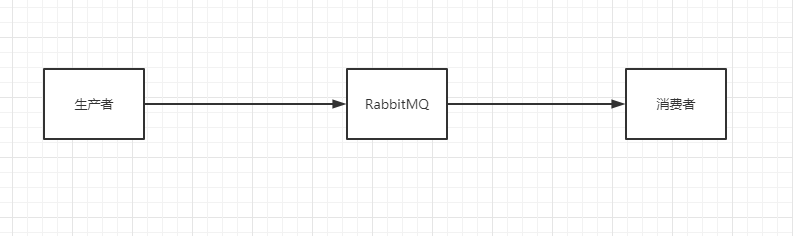
整个流程如上图,生产者把生产的消息发送给Rabbitmq进行存储,消费者从消息队列中拉取消息进行消费。下面我们使用代码进行演示下:
一、引入maven的依赖:
                <dependency>
			<groupId>com.rabbitmq</groupId>
			<artifactId>amqp-client</artifactId>
			<version>5.9.0</version>
		</dependency>
二、编写生产者
package com.rabbitmq.producer;

import java.nio.charset.StandardCharsets;

import org.junit.After;
import org.junit.Before;
import org.junit.Test;

import com.rabbitmq.client.Channel;
import com.rabbitmq.client.Connection;
import com.rabbitmq.client.ConnectionFactory;
import com.rabbitmq.client.MessageProperties;

import lombok.extern.slf4j.Slf4j;

@Slf4j
public class SimpleleProducer {

	private Connection connection = null;
	private Channel channel = null;
	private ConnectionFactory factory = null;

	private String queueName = "test";

	/**
	 * 初始化rabbitmq连接
	 */
	@Before
	public void init() {
		factory = new ConnectionFactory();
		factory.setHost("192.168.31.20");
		// 设置rabbitmq的登录账号和密码
		factory.setUsername("guest");
		factory.setPassword("guest");
		factory.setPort(5673); // 默认端口是5672,这里服务器端口冲突,因此改到5673
		factory.setVirtualHost("/");
	}

	@After
	public void destroy() {
		// 关闭通道
		if (channel != null && channel.isOpen()) {
			try {
				channel.close();
			} catch (Exception e) {
				log.error(e.getMessage(), e);
			}
		}
		// 关闭连接
		if (connection != null && connection.isOpen()) {
			try {
				connection.close();
			} catch (Exception e) {
				log.error(e.getMessage(), e);
			}
		}
	}

	@Test
	public void sendMsg() throws Exception {
		// 2、创建连接、通道
		connection = factory.newConnection();
		channel = connection.createChannel();
		// 3、声明队列
		channel.queueDeclare(queueName, true, false, false, null);
		// 发送消息内容
		String message = "take a message";
		// 4、发送消息到指定队列,这里我们使用MessageProperties.PERSISTENT_TEXT_PLAIN对消息进行持久化
		channel.basicPublish("", queueName, MessageProperties.PERSISTENT_TEXT_PLAIN,
				message.getBytes(StandardCharsets.UTF_8));
		log.info("发送消息完成,消息内容是:{}", message);
	}

}
三、编写消费者
package com.rabbitmq.producer;

import java.io.IOException;
import java.util.concurrent.TimeoutException;

import com.rabbitmq.client.Channel;
import com.rabbitmq.client.Connection;
import com.rabbitmq.client.ConnectionFactory;
import com.rabbitmq.client.DeliverCallback;

import lombok.extern.slf4j.Slf4j;

@Slf4j
public class SimpleConsumer {

	private final static String QUEUE_NAME = "test";

	public static void main(String[] args) throws IOException, TimeoutException {

		// 1、创建连接工程
		ConnectionFactory factory = new ConnectionFactory();
		factory.setHost("192.168.31.20");
		factory.setUsername("guest");
		factory.setPassword("guest");
		factory.setPort(5673);
		factory.setVirtualHost("/");

		// 2、获取 Connection和 Channel
		Connection connection = factory.newConnection();
		Channel channel = connection.createChannel();

		// 3、声明队列
		channel.queueDeclare(QUEUE_NAME, true, false, false, null);

		DeliverCallback deliverCallback = (consumerTag, delivery) -> {
			String message = new String(delivery.getBody(), "UTF-8");
			log.info("接收到的消息是:{}", message);
		};
		channel.basicConsume(QUEUE_NAME, true, deliverCallback, consumerTag -> {
			// 如果消息被取消,则什么都不做
		});
	}
}
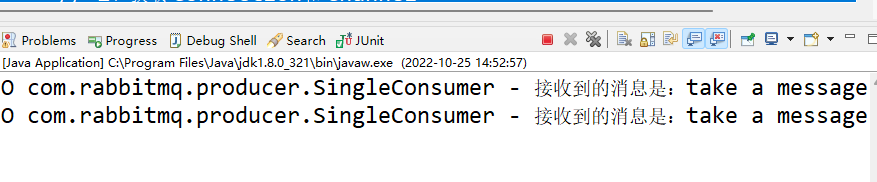
然后运行结果如下:
备注:
1、Simple模式是rabbitmq消息模式里面最简单的一种。
2、在编写rabbitmq的时候需要注意下队列的持久化和消息的持久化



还没有评论,来说两句吧...